
How Moonblink cut its cost per acquisition by 80%.
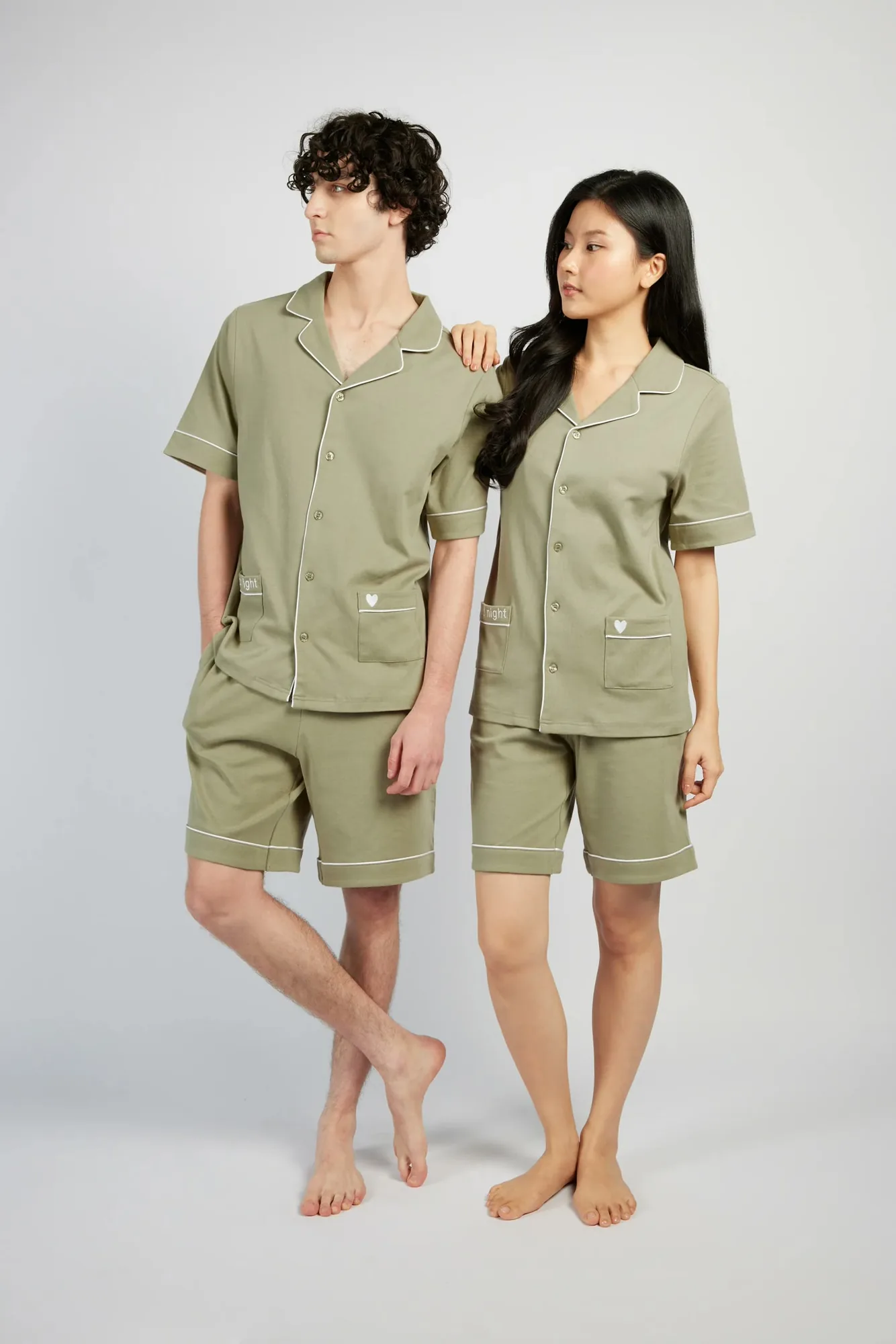
Moonblink rewarded orders with Bundle entries instead of marking its sleepwear down.
- Market
- Singapore, sleepwear
- Campaign
- Sep – 3 Oct 2026
- Reward
- Up to 10 entries per order
- Compared with
- Earlier campaigns
Moonblink paired its sleepwear and loungewear with purchase-linked rewards powered by Bundle. Across the identified Bundle-related campaigns, Meta reported substantially more shopping activity for each advertising dollar than in the brand's earlier purchase campaigns.
A purchase offer built around Rest & Reward
Moonblink's Rest & Reward promotion gave customers an additional benefit for buying its homewear. An eligible order earned an entry through Bundle, with additional entries at higher spending thresholds.
Customers chose and purchased Moonblink's products. Moonblink rewarded the qualifying purchase with entries; Bundle powered the entry and shared reward infrastructure.
Product advertising with a reward attached
The Bundle-related activity included purchase campaigns, an add-to-cart campaign and an engagement campaign carrying the offer. Prospecting and retargeting brought that proposition to different audiences, with product videos, carousels and static ads in the campaign mix.
Bundle provided the purchase-linked reward proposition and campaign support. The wider activity also included campaigns launched by Moonblink and ordinary product ads within the identified campaigns. The results count the advertising spend across those campaigns, including the supporting engagement activity.
How Moonblink measured shopping per ad dollar
The historical reference was three earlier Moonblink campaigns configured for Purchase, running between May and August 2026. Their recorded shopping actions and advertising spend provided the baseline.
The Bundle-related campaigns began in September. Results were measured through 3 October, using the Meta API snapshot retrieved on 5 October.
The comparison divided each reported shopping action by advertising spend, then compared the two groups. This answered a practical question: how much cart, checkout and attributed purchase activity did each advertising dollar generate?
More activity at each stage of the shopping journey
140% more add-to-carts per ad dollar
The Bundle-related campaigns recorded 140% more add-to-carts per advertising dollar than the earlier purchase campaigns. Cart activity was the first measured shopping action in the comparison. The improvement continued through checkout starts and Meta's attributed purchase events.
490% more checkout starts per ad dollar
Checkout starts showed the largest improvement: 490% more per advertising dollar. The equivalent cost per checkout start was 83% lower. These are two ways of expressing the same efficiency change. A checkout start means that the customer began checkout; it is not a completed order.
401% more Meta-attributed purchases per ad dollar
The campaign package also recorded 401% more Meta-attributed purchase events per advertising dollar. This is Meta's attributed purchase outcome, measured relative to the advertising budget. Its small historical baseline makes it the most sensitive of the three figures; the result describes this snapshot and comparison.
The result for Moonblink
The shopping offer connected a purchase on Moonblink's store to a reward managed through Bundle. The paid campaign package put that offer alongside Moonblink's product creative, prospecting and retargeting.
The observed improvement appeared across the measured shopping journey, including Meta-attributed purchases. Bundle's reward proposition was one part of that combined campaign; creative, targeting and setup also changed between the historical periods.